

This article was written by SANCCOB.
The Southern African Foundation for the Conservation of Coastal Birds (SANCCOB) recognises the sensitive discussion surrounding the recent Pilchard herpesvirus (PHV) -induced sardine mortality event and its potential implications for threatened seabirds (including the Critically Endangered African Penguin) and South Africa’s small pelagic fishing industry.
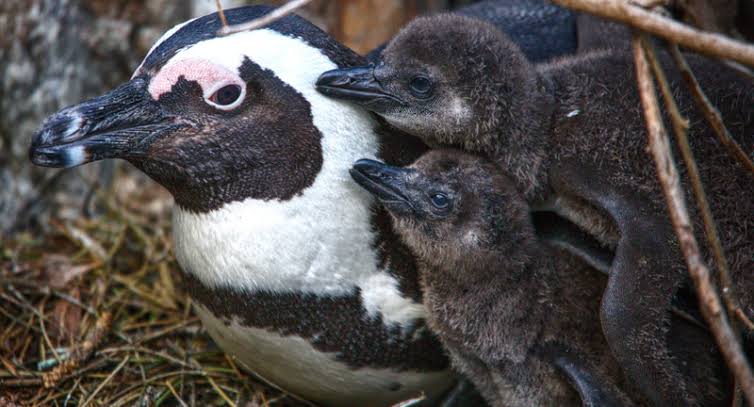
The African Penguin is an important, reliable indicator of marine ecosystem health. The decline of a keystone species can signal wider ecological pressures affecting the food webs on which seabirds, fisheries and coastal communities depend.
Healthy oceans are essential for seabirds and for the people whose livelihoods they sustain.
Understanding the magnitude and implications of the sardine mortality event of July – Aug 2026 requires robust scientific assessment of fish stocks that are completed in a timeous, consistent and accurate manner. SANCCOB recognises the critical role of the Department of Forestry, Fisheries and the Environment (DFFE) in safeguarding South Africa’s marine resources and ensuring that fisheries management decisions are informed by the best available evidence.
Where such evidence is lacking or subject to high levels of uncertainty, SANCCOB supports a precautionary approach to fisheries management that has the best chance of protecting fish stocks over the long-term.
SANCCOB supports science-led, adaptive fisheries management that considers ecosystem health alongside sustainable resource use. Fisheries management measures must be evaluated based on their effectiveness at maintaining healthy fish populations over the long-term, ensuring prey availability for marine top-predators and supporting threatened seabird recovery.
Where evidence identifies risks or demonstrates that existing measures are insufficient, management responses must be strengthened and enforcement action taken promptly.
Protecting African Penguins is part of a broader responsibility to safeguard the marine ecosystems on which both seabirds and people depend. Continued scientific collaboration, transparent sharing of evidence and constructive engagement are essential to achieving effective conservation outcomes. SANCCOB remains committed to contributing its expertise to a collaborative, evidence-based approach that supports seabird populations, resilient oceans and thriving coastal communities.
Picture: Supplied