

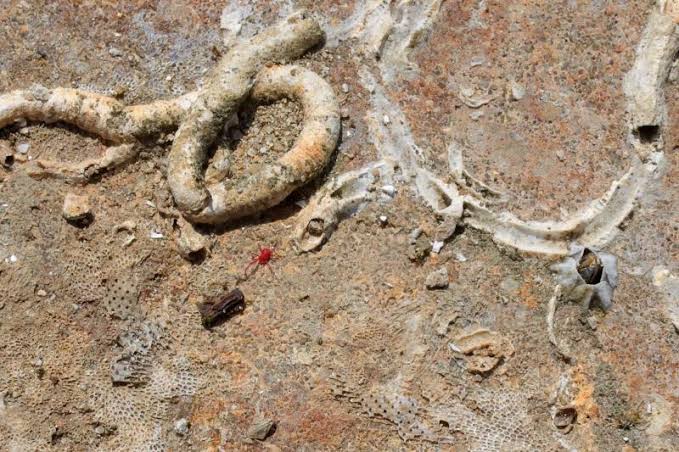
Tiny animals living between grains of sand, during ancient times, played a critical role in reviving marine life, after the mass extinction era.
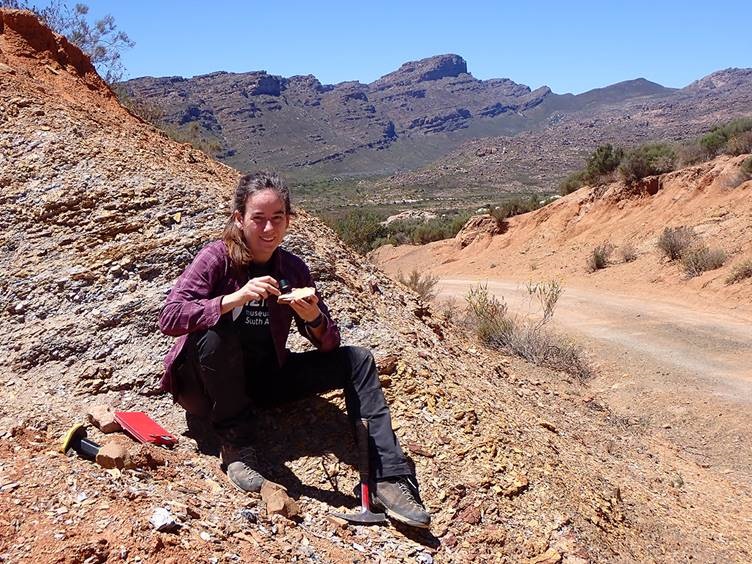
Scientists led by Dr Claire Browning, an Honorary Research Associate at the University of Cape Town (UCT), found proof of these animals’ fossilised burrows and droppings in the Cedeberg mountains.
Browning said this discovery will help scientists understand early marine resilience.
Research entailed the visualisation of rocks, including the 444 million year old, in the Cedeberg mountains.
“Scans revealed tell -tale traces of life, just a fraction of a millimetre wide, burrows and droppings of tiny worms and single-celled protists with shells that lived in ancient seafloor sediments.”
Browning said this was unexpected, because these rocks were believed to be toxic to life, with no oxygen.
These creatures seem to have survived the mass extinction, which wiped out 85% of marine species.
They did this through forming a small food web, similar to today’s sea life, where nutrients and carbon is recycled to support larger mammals.
Scientists also found from time to time, organic materials from layers of mudrock would sink to the seafloor, providing food to the creatures.
Browning said this research will add to global discussions about how ecosystems respond to climate shocks.
Pictures: UCT