

A report by Statistics South Africa (StatsSA) points to a widening gap, between the number of consumer units receiving services in general (paid or free) and those receiving free basic services (FBE).
This is for all the services, including basic water, electricity, sewerage, sanitation and solid waste (refuse) removal.
StatsSA also said there are two main reasons for the decline in services, the first is municipalities have narrowed their focus to only the poorest households, due to budget constraints and secondly, the lack of knowledge and awareness of such a service.
The number of consumer units receiving solid waste services expanded from 11,1 million to 11,8 million while the proportion receiving the service for free also increased, marginally from 16,6% to 16,8%.
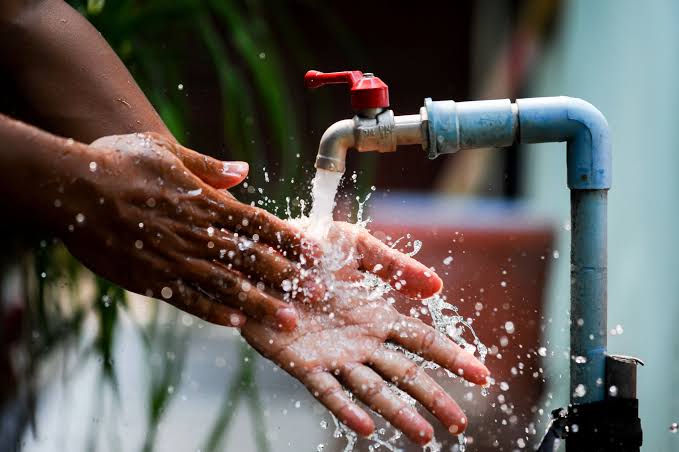
The percentage of consumer units benefiting from free basic water declined from 38% in 2014 to 16% in 2023.
The Eastern Cape recorded a sharp decline from 49% in 2018 to 18% in 2023, while the Western Cape recorded the highest percentage in 2023.
Local municipalities who recorded the highest percentages in 2023, were Hantam (93%) and Khâi-Ma (66%) in Northern Cape.
KwaZulu-Natal was the only province to record a rise in the coverage of free basic electricity, from 14% in 2014 to 16% in 2023. The Eastern Cape and Western Cape remained at or above the national average. In contrast, Limpopo, Mpumalanga and North -West lagged behind.
Municipalities that recorded the highest rates in water provision, in 2023, are the Hantam Local Municipality in Northern Cape (93%) and the City of Cape Town Metropolitan Municipality in Western Cape (67%).
The coverage of free basic solid waste services declined across seven of the nine provinces between 2014–2023. The Free State and Northern Cape recorded increases, while Gauteng registered a notable decline from 25% in 2018 to 8% in 2023. Western Cape registered the highest percentage in 2023. In addition, about three local municipalities indicated that they service all consumer units with free solid waste removal – Hantam in Northern Cape, as well as Umvoti and Ndwedwe in KwaZulu-Natal.
Picture: One child, one family.