

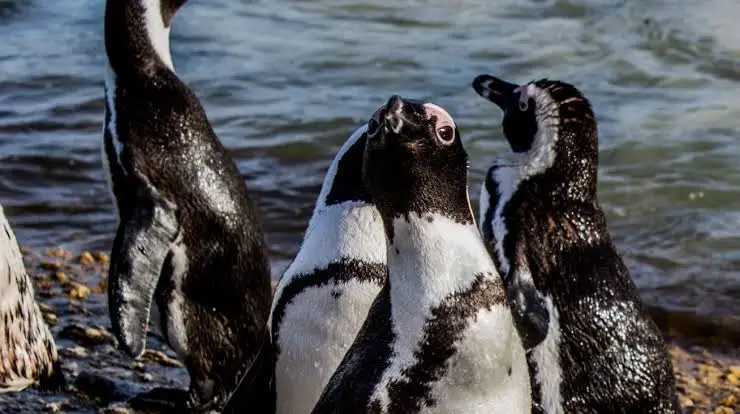
Cases of Highly Pathogenic Avian Influenza (HPAI) continue to impact seabirds along the South African coastline.
Positive cases were confirmed in African Penguins, Kelp Gulls and Common Terns, in the last week of February 2026.
The Southern African Foundation for the Conservation of Coastal Birds (SANCCOB) said in an update, it is concerned about the significant increase in the number of tern species reported with symptoms of HPAI in the Western Cape.
“These developments highlight the ongoing and evolving risk to seabird populations and the importance of early detection, ongoing monitoring and reporting.”
Over 1,000 Critically Endangered African Penguins have died from HPAI, since 2018.
Twenty-six suspected cases of HPAI in African Penguins were reported. Of these nine were confirmed by PCR lab testing.
Those penguins were found at Boulder’s Beach, Gordon’s Bay, Rooi Els, Strandfontein in False Bay; Blaawberg and Yzerfontein on the West Coast and Arniston in the Overberg between the 21st of September and the 24th of October 2025.
Over 1400 other seabirds have already died from this disease in 2025, including Common Terns, Hartlaub’s Gulls, Great White Pelicans, Grey-headed Gulls, Kelp gulls, White-breasted cormorants, Crowned Cormorants and Sacred Ibises.
Domestic chickens and ducks were also affected.
According to a protocol for the management of high pathogenicity (April 2024), avian influenza viruses are discharged from the mouth, nostrils and eyes of infected birds.
Therefore, birds spending time together can get infected, through contact and respiratory droplets.
The virus also thrives in water contaminated by faeces, and also in cool, dark conditions and damp areas.
Picture: Supplied