

Researchers from the University of Cape Town (UCT) are calling for a shift in how cities approach green infrastructure, as a recent study found exotic plants help fuel urban wildfires.
They are urging city officials, landscapers and property owners, to prioritise native species with lower flammability.
Led by Dr Dunja MacAlister -Associate Professor, Samson Chimphango, Dr Dawood Hattas and Professor Muthama Muasya, of the Department of Biological Sciences at UCT, the study was conducted after intense fires of April 2021.
Exotic plant species commonly found in Cape Town’s urban spaces were the focus of the study. The research team, studies 42 plant species, to be precise, 22 of these are native and 20 exotic, focusing on traits such as leaf thickness, surface and specific leaf areas.
Plants with thin leaves and larger surface areas per unit mass, ignited quicker, while thicker-leaved species burned for longer periods.
The study concluded the plant leaf traits, particularly in ornamental exotic species, influence how quickly and intensely vegetation can burn.
Professor Muasya, the study’s senior author and an internationally-recognised plant taxonomist and evolutionary biologist, said “while laboratory tests alone cannot fully predict how plants behave in real-world fires, they offer valuable insight into key characteristics that influence ignition, burn duration and intensity. This information is essential for natural hazard planning, especially in fire-prone regions like the Western Cape.”
Muasya also said alien invasive species that combine large, thin leaves with tall, woody growth and high retention of dry or dead foliage, are particularly concerning.
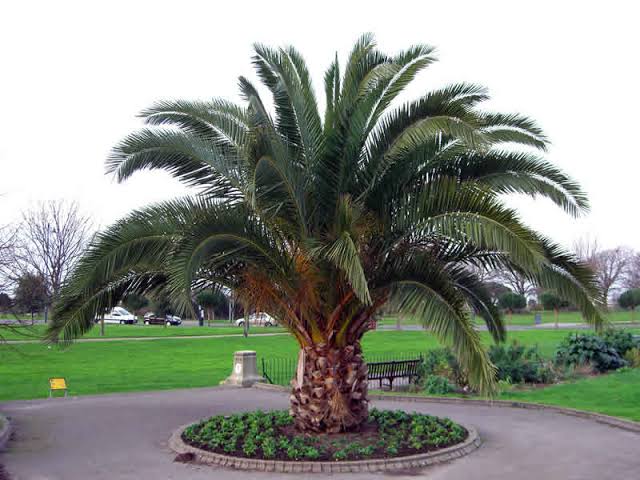
“These characteristics dramatically increase combustibility and the ability to trap burning embers, especially under windy conditions. One example is the Canary Island date palm (Phoenix canariensis), a popular ornamental tree planted along Cape Town’s boulevards and near iconic buildings. Despite its widespread use, it poses a significant fire hazard.”
Species such as Cedrus atlantica, Cupressus sp., Hedera canariensis, and in particular, Phoenix canariensis and Piinus pinea, are also a problem in other Mediterranean areas, such as California, with policies warning stakeholders to avoid planting them as they are flammable, invasive, or both.
He also said “Cape Town, like many cities around the world, is situated in a landscape where natural fires are part of the ecological cycle. As climate change continues to drive more frequent and severe fires, the widespread planting of flammable exotic species could increase both the likelihood and intensity of urban wildfires.”
The study is titled“Time to extinguish the exotic flame: Lessons from the 2021 Cape Town fire.”
Picture of popular tree, the Canary Island date palm (Phoenix canariensis), by Plantinfo.