

Standard Bank has injected R1 million into the University of South Africa (UNISA) Climate Change Induced Loss and Damage (CILD) research programme.
The funds are only for a year.
The initiative, anchored in UNISA’s Institute for Sustainability and Corporate Citizenship (ISCC), was co-established in partnership with the Department of Forestry, Fisheries and the Environment (DFFE).
It aims to generate policy relevant evidence, build local capacity and support community level solutions to escalating climate impacts across Southern Africa.
The programme positions South Africa’s loss and damage agenda within national and global climate discourse, accelerating the operationalization of the National Loss and Damage Programme through public private partnerships and robust data systems that strengthen planning and preparedness for unavoidable climate impacts. The partnership will prioritize research into both economic and non-economic losses, develop indicators to inform compensation and support mechanisms, and enable collaboration with communities, government departments and international organizations.
Pearl Phoolo, Standard Bank Head of CSI said “addressing loss and damage from environmental events requires more than emergency relief, it demands rigorous research, systems thinking, and policy innovation rooted in Africa’s realities. Standard Bank’s support of the Unisa Climate Disaster CILD research programme is a strategic investment in knowledge that strengthens national climate adaptation discussions, advances disaster risk reduction, and delivers inclusive and evidence-based solutions for communities most exposed to environmental shocks.”
UNISA’s ISCC, led by Prof. Godwell Nhamo, has collaborated with DFFE since 2023.
Prof Nhamo said “loss and damage is no longer a future risk; it is a present and lived reality for many communities in Southern Africa. This partnership allows us to generate context specific evidence that can inform policy, support affected communities and ensure that loss and damage is treated as a development and justice issue, not just an environmental one.”
Outcomes of the programme should generate robust analyses of economic losses (such as damage to assets, crops and incomes) and non-economic losses (including cultural heritage, ecosystem services and psychosocial impacts), enabling evidence-based decisions at national, provincial and municipal levels.
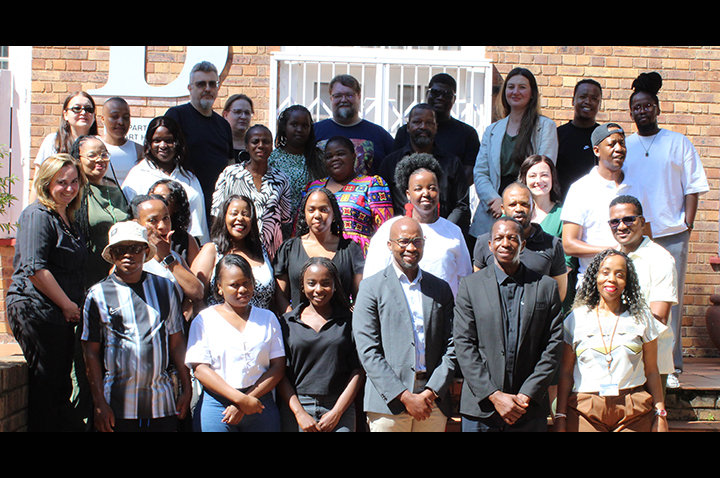
Picture: UNISA