

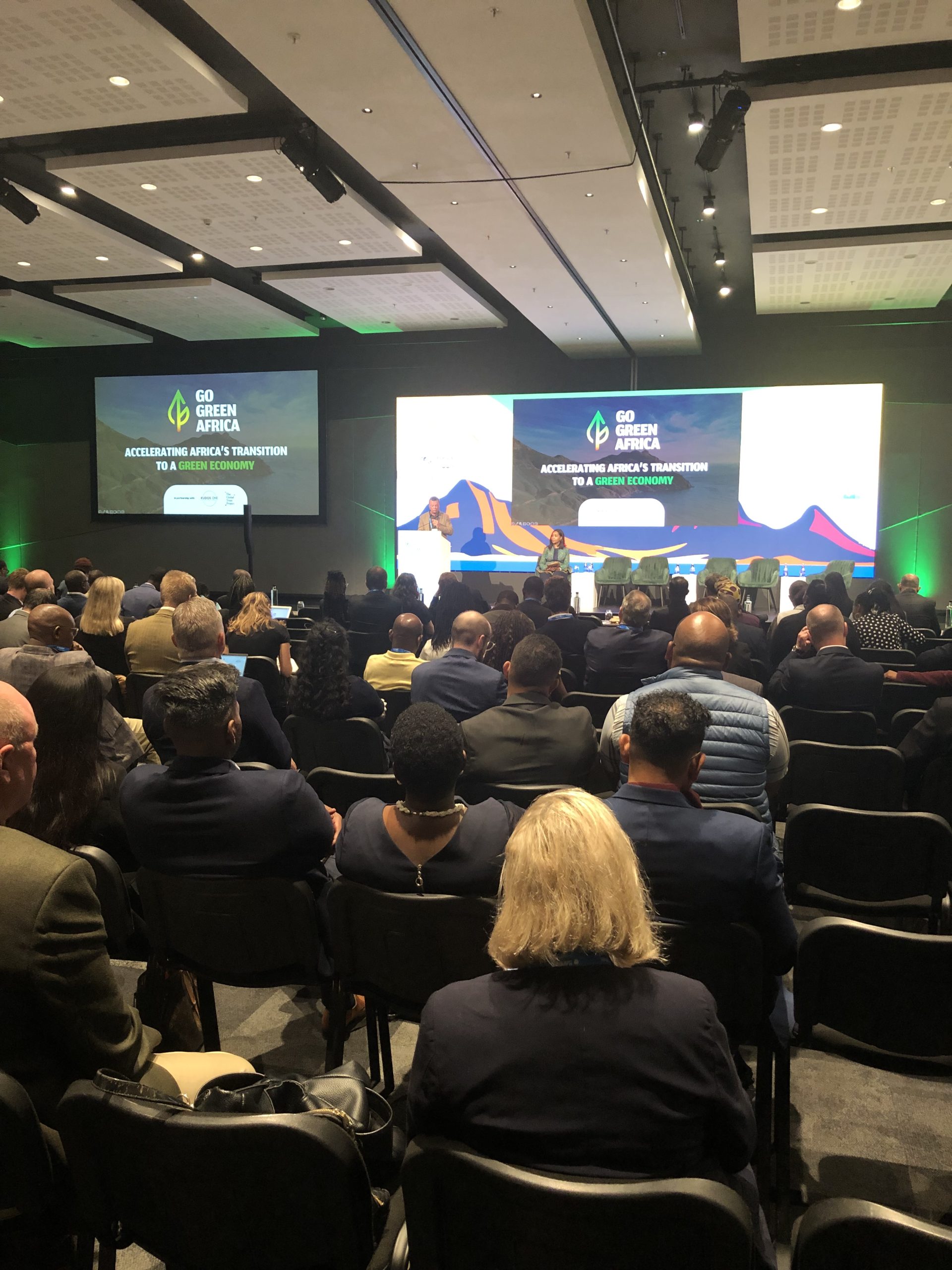
Africa’s Green Economy Summit (AGES) 2026 concluded in Cape Town with a resounding call to action, urging the continent to leverage its digital revolution, transform water financing and redesign agriculture to unlock a sustainable, net-zero future.
The four-day platform united over 600 delegates from 42 countries, including global investors, project developers and policymakers.
The consensus was clear that with sound policies and financial innovation, Africa can convert its climate vulnerabilities into economic opportunity.
The summit opened with a focus on innovative finance for nature, exploring green, blue, and wildlife bonds, including the “Rhino Bond” and emerging biodiversity credits.
A key lesson was the importance of engaging communities as core stakeholders, not merely beneficiaries.
Carl Roothman, CEO of Sanlam Investment Group, stressed the urgency of scale: “Africa needs billions of dollars. It’s great to dream, but we must act and at scale.” Iain Banner, co-founder of Go Green Africa and AGES, framed the shift as fundamental: “The green and blue economies are the new operating systems of the modern world.”
Deputy Minister of Forestry, Fisheries and Environment, Narend Singh, set a pragmatic tone: “This is where the rubber hits the road.” He emphasised moving from policy to tangible results, citing South Africa’s Just Energy Transition Partnership (JETP) and renewable energy procurement programme as examples. Singh urged African nations to move beyond exporting raw materials: “A low-hanging fruit is developing local value chains and beneficiating minerals here, creating jobs and advancing technology.”
Integrating climate goals with digital transformation emerged as a central theme.
Siddhartha Raja, Senior Digital Specialist at the World Bank, noted that data centres could act as “anchor loads” to stimulate new renewable energy but warned that climate resilience must be designed in from the start. From flood-proofing to managing e-waste, which could spawn new recycling industries.
Chrissy Meier of the Digital Impact Alliance highlighted a critical gap, noting that most African cities have climate plans but lack local data for implementation. She cautioned against AI models trained on non-African data, which risk missing the realities of African communities.
Raja’s advice: “Carpe Digital, seize the digital to make economies more efficient, inclusive, and greener.”