

Revitalising rail transport in South Africa has the opportunity to stimulate investment, support logistics efficiency, connect communities to economic opportunities and accelerate sustainable development.
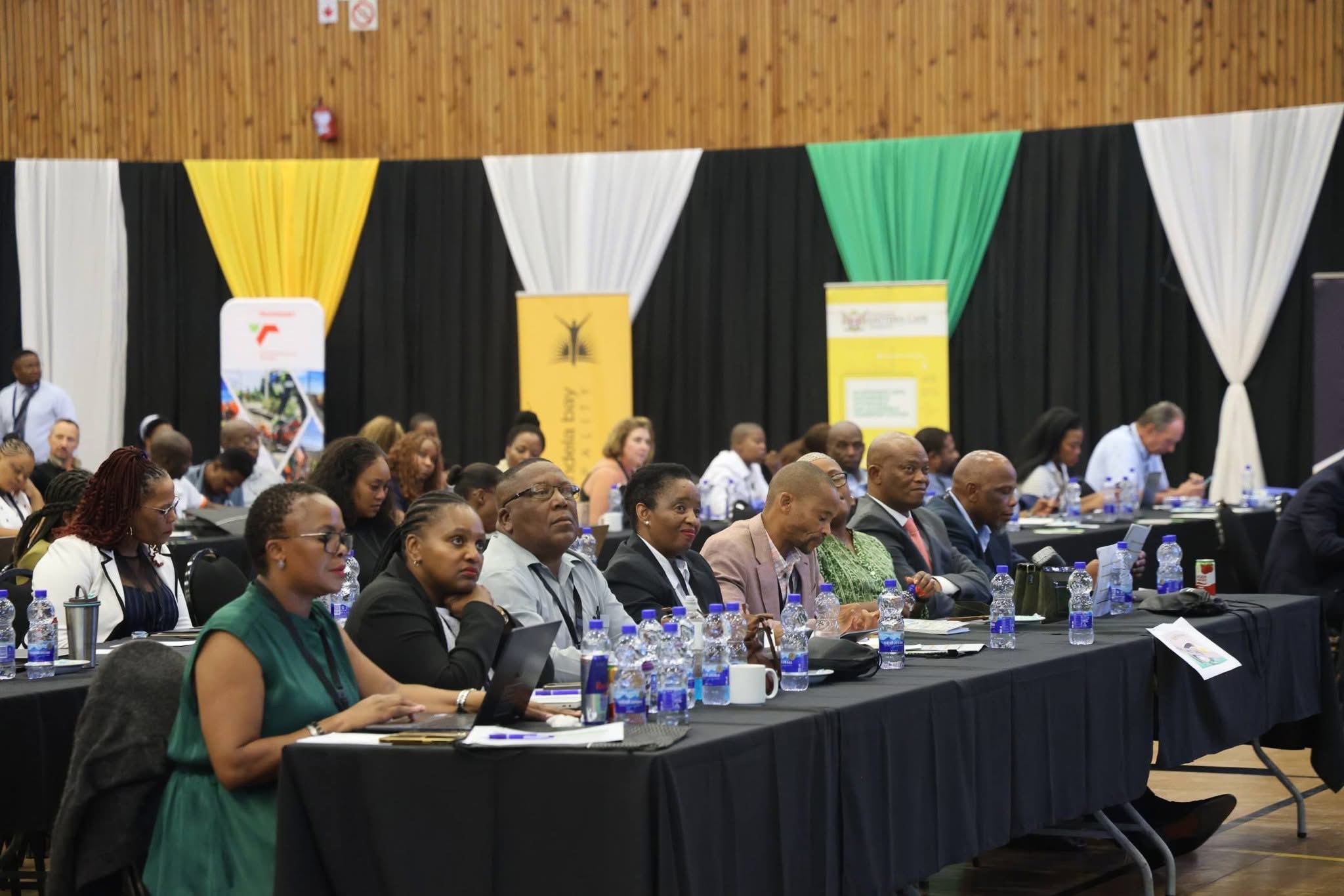
This is according to speakers at the ongoing Eastern Cape Transport Research symposium, well underway, in Gqeberha.
Several investment projects in the sector, include a R7 billion rail corridor between Gauteng and the Eastern Cape, to support the automotive sector.
Another is a R26 million rehabilitation project to refurbish rail infrastructure for a 300,000-ton per annum capacity on the Cookhouse-Blaney line.
Other projects are the R108 million project (phase one) of the Amabhele rail line to the Kei River.
The Eastern Cape has approximately 3,500 km of Cape gauge railway, but rail maintenance backlogs and inefficiencies are stifling up sectors.
Outcomes of the research symposium funded by a partnership between the Eastern Cape Department of Transport, the Council for Scientific and Industrial Research, as well as the Nelson Mandela Bay University, are expected to find innovative ways to progress revitalisation efforts.
Itumeleng Masilo, Cartrack Commercial Sales Manager, who spoke at the symposium, said Cartrack’s customized solutions are vital to the transport sector in the Eastern Cape.
“Many people believe Cartrack only provides vehicle tracking, but the company is actually a software as a service and telematics provider operating in about 23 countries.”
He also said the system could also improve compliance by automating reminders for vehicle inspections and licensing requirements, helping transport owners stay compliant with regulations.
Ognen Williams, Consulting & Strategy Director at On Africa, South Africa, spoke about the economic impact of revitalizing the Eastern Cape’s rail system and its role in boosting trade, exports, and regional development.
“Current inefficiencies in the rail network have shifted much freight back onto congested roads, creating logistical challenges and increasing transport costs. By connecting inland production areas particularly in the automotive and citrus sectors to ports more efficiently, the province could increase trade, reduce costs, and compete globally on speed and price rather than political positioning.”
He also said further investment is needed to handle growing freight volumes and expand export capacity.
Victor Shange, Agency representative at the Gautrain Management, spoke extensively about the development, structure, and management of the Gautrain Rapid Rail Link as a public–private partnership (PPP).
He said its success factors include strong political leadership, effective oversight structures, and collaboration between government and the private sector.
Picture: Supplied