

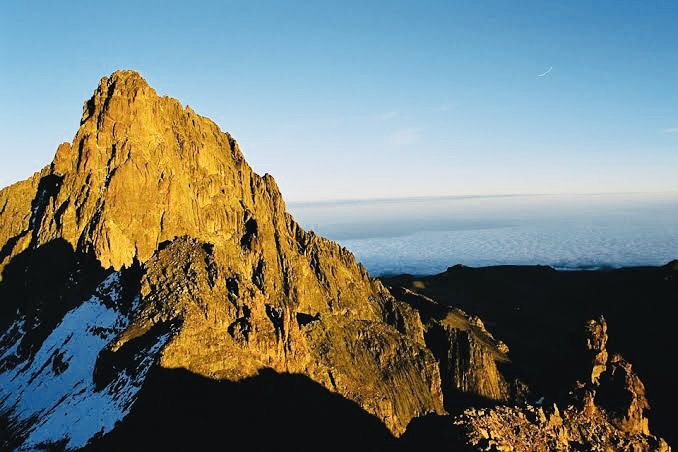
Africa’s glaciers have lost more than 90% of their area since the late nineteenth century.
The World Meteorological Organisation (WMO) confirmed this is especially true for Mt. Kilimanjaro and Mt. Kenya in East Africa, as well as the Ruwenzori Mountains on the Uganda-DRC border.
Mt. Kilimanjaro’s ice cover has shrunk from 11.4 km² in 1900 to a current 0.98 km².
The continued loss of these glaciers threatens regional water cycles and increases the risk of glacial lake outburst floods.
Celeste Saulo, Secretary-General of the WMO, said “the signs of a changing climate are clear across Africa – from increasing temperatures and rising seas to damaging floods and drought. This report shows not only the scale of the risks, but also the growing importance of early warnings, climate services and coordinated action to protect lives and livelihoods.”
She also said only 40% of countries in Africa have multi-hazard early warning systems needed to save lives and livelihoods from extreme climate and weather.
“However, there are encouraging signs of strengthening preparedness and response capabilities across the region” she added.
Picture: Mt. Kenya in East Africa