

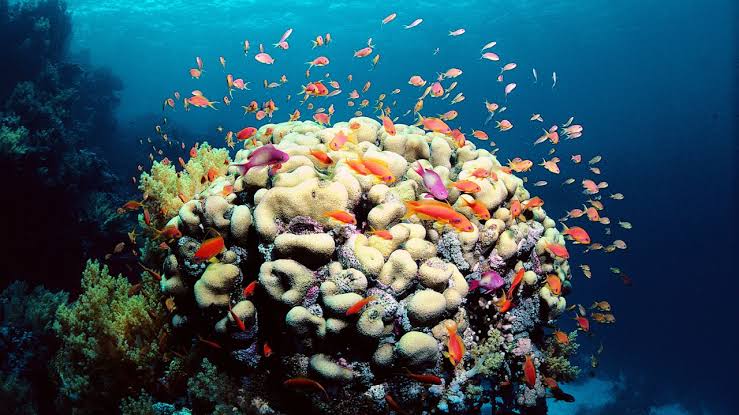
Climate change is threatening 43% of the world’s natural World Heritage sites.
These are 117 of 271 sites, compared to 33% in 2020.
This is according to the very latest IUCN World Heritage Outlook 4 report published on Thursday this week.
Invasive alien species (IAS) pose a chief threat, affecting some 30% of all sites.
The report also warns of a sharp rise in the risk from wildlife and plant diseases.
This is true in at least 9% of sites, where there is a high or very high threat posed by pathogens.
Although the finalisation of the IUCN World Heritage Outlook 4 report has been coming since 2014, trends are taking shape for the very first time.
In the last decade, the proportion of sites with a positive conservation outlook has fallen to 57% in 2025, down from 62% in 2020, affecting biodiverse rich sites.
Dr Grethel Aguilar, IUCN Director General, said “protecting World Heritage is not just about safeguarding iconic places – it is about protecting the very foundations of life, culture, and identity for people everywhere. These are some of the world’s most outstanding sites, and they are home to extraordinary biodiversity and geodiversity. They sustain communities, inspire generations, and connect us to our shared history. The new IUCN World Heritage Outlook shows that threats are rising and stronger efforts are needed. We must come together with more committed action on the ground and greater investment to ensure these irreplaceable treasures endure – for nature, for people, and for the generations yet to come.”
Invasive alien species (IAS) are also leading to an increase in wildlife and plant diseases, at 23 out of 271 sites assessed.
This is higher than the 2020 outcome by two percent.
Diseases are impacting ecosystems and threatening keystone species, such as Ebola virus in primates (Virunga National Park, DRC), white-nose syndrome in bats (Mammoth Cave, USA), chytridiomycosis in amphibians (Tasmanian Wilderness, Australia), avian influenza (Península Valdés, Argentina) and top-dying disease in Sundarbans mangroves (Bangladesh).
Good news is thirteen (13) sites improved their conservation outlook between 2020 and 2025—proof that targeted investment and local engagement works.
These are four sites in West and Central Africa (Dja Faunal Reserve (Cameroon), Salonga and Garamba National Parks (DRC), and Niokolo-Koba National Park (Senegal).
Picture: Great Barrier Reef, among the threatened.